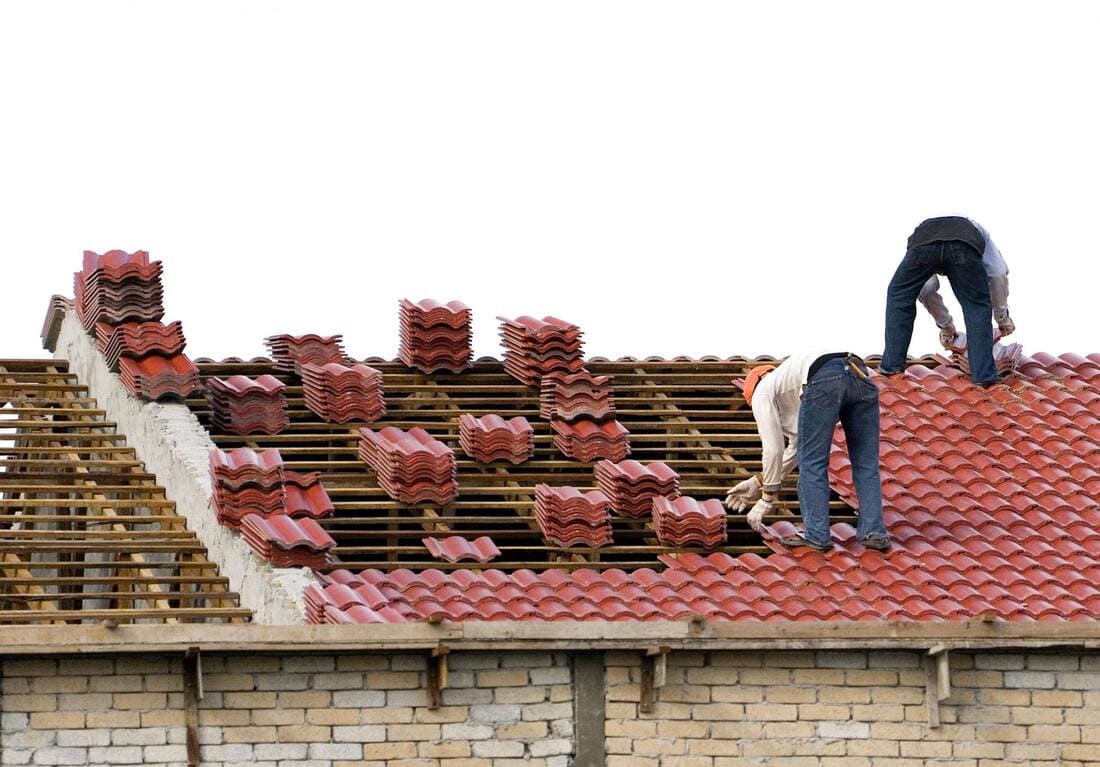
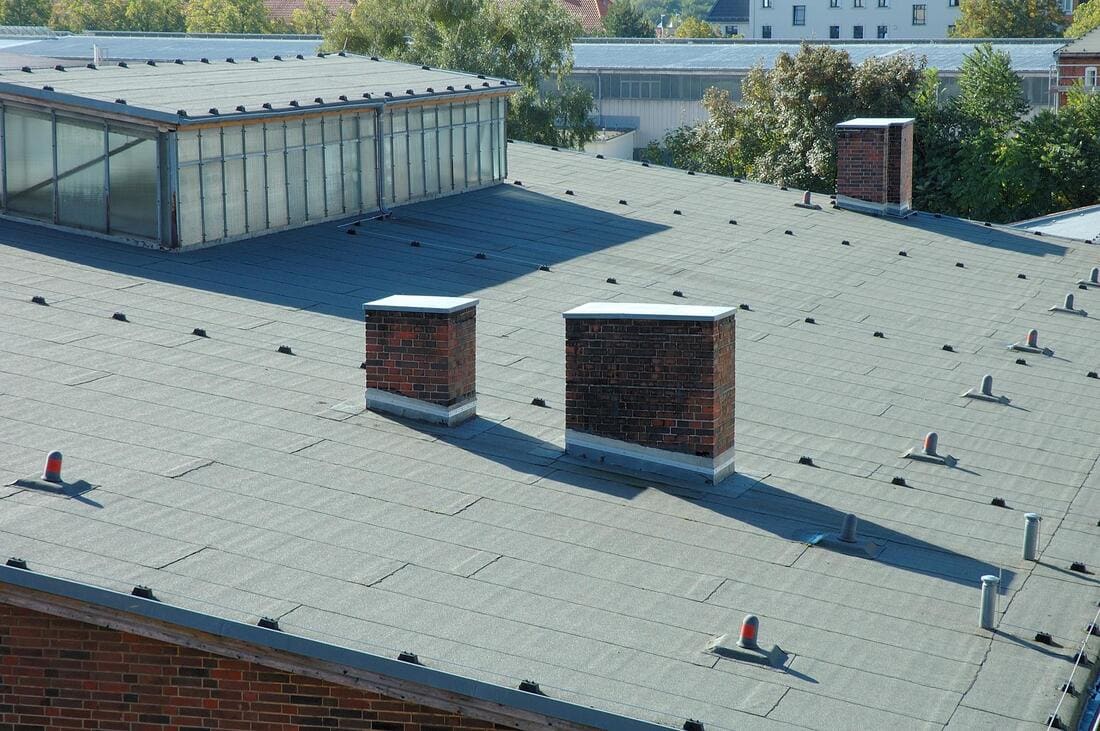
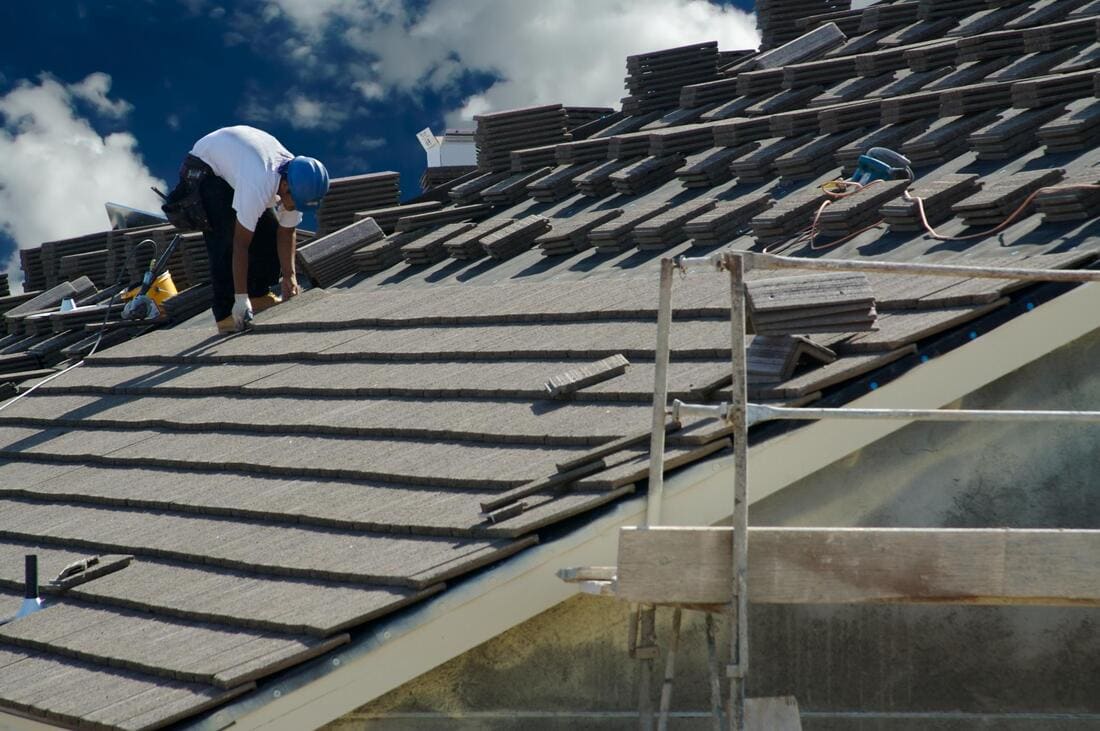
Repair-First, But Not Patch-at-Any-Cost
A single failed pipe boot, slipped tile, punctured foam spot, or separated flashing joint
can be a focused repair when the material around it remains sound. The decision changes
when leaks appear on unrelated slopes, underlayment crumbles as tile is lifted, coating
loss covers most of a foam field, shingles are brittle beyond the damaged patch, or wet
decking continues outside the first opening. An older roof should be inspected broadly
enough to reveal those conditions, then priced narrowly enough to avoid replacing sound
work. If both repair and replacement are defensible, ask for the useful life, risk, and
assumptions of each option in writing. If only one path is credible, the photos should
make the reason visible.
Useful for Owners Who Are Not Standing in the Driveway
Winter visitors, landlords, property managers, and out-of-area family members often need
a roof decision without being present for the inspection. Start with the gate or lockbox,
the local contact, tenant notice, known interior stains, and permission for attic access.
Ask the contractor to label photos by roof plane and show the failed detail, nearby material,
and completed repair. A formal written rental or real-estate report may be appropriate when
the owner needs a condition record rather than an immediate work proposal. Before seasonal
occupancy, this process can reveal a worn foam coating or tile-underlayment concern while
scheduling is still flexible.
Storm Documentation Without Deductible Games
The National Weather Service monsoon window runs from June 15 through September 30, with
the most active period typically in July and August. Wind can move tile or shingles, and
driven rain can cross laps and low-slope transitions that stay dry in gentler weather.
Dust and debris may also block valleys or scuppers. A storm inspection should record each
observed condition, measurement, and repair area without guessing at coverage. The
contractor may prepare an itemized scope and coordinate with an adjuster when useful, but
the insurer makes the claim decision. Avoid proposals built around paying, waiving,
rebating, or absorbing a deductible.
How the Request Works
Call or Send the Form
Start with the symptom, roof type if known, neighborhood or ZIP code, access notes, and
whether water is entering now. Say when the stain changes, which room is affected, and
whether the home is owner-occupied, rented, vacant, or awaiting a winter visitor. Ground
and interior photos help with triage. Stay off tile, foam, and wet roof surfaces.
Roof Check and Photos
The contractor checks the likely failure area and enough surrounding roof to judge whether
it is isolated. On a Mesa property that may include tile underlayment, foam coating,
shingles, vents, skylights, valleys, patio tie-ins, scuppers, gutters, fascia, and attic
evidence. The photos should show both the close detail and its location on the roof.
Written Scope
The written quote should identify the roof plane, materials, preparation, access
assumptions, hidden-damage handling, cleanup, and the line between temporary and permanent
work. For replacement or structural work, the assigned contractor verifies applicable
city, county, and HOA requirements. For a seasonal or rental property, the scope should
also state how approvals, access changes, and completion photos will be handled.