Is emergency dry-in the same as repair?
No. Dry-in is temporary weather protection. Permanent repair is scoped after the roof condition, materials, and hidden damage are understood.
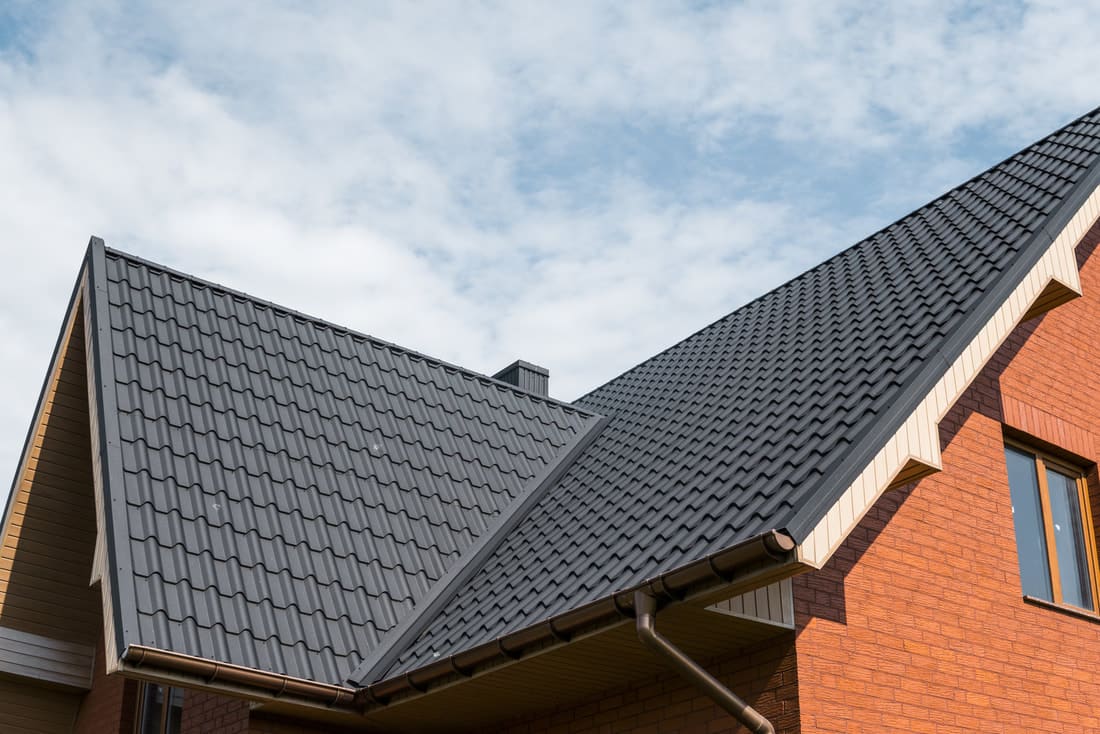
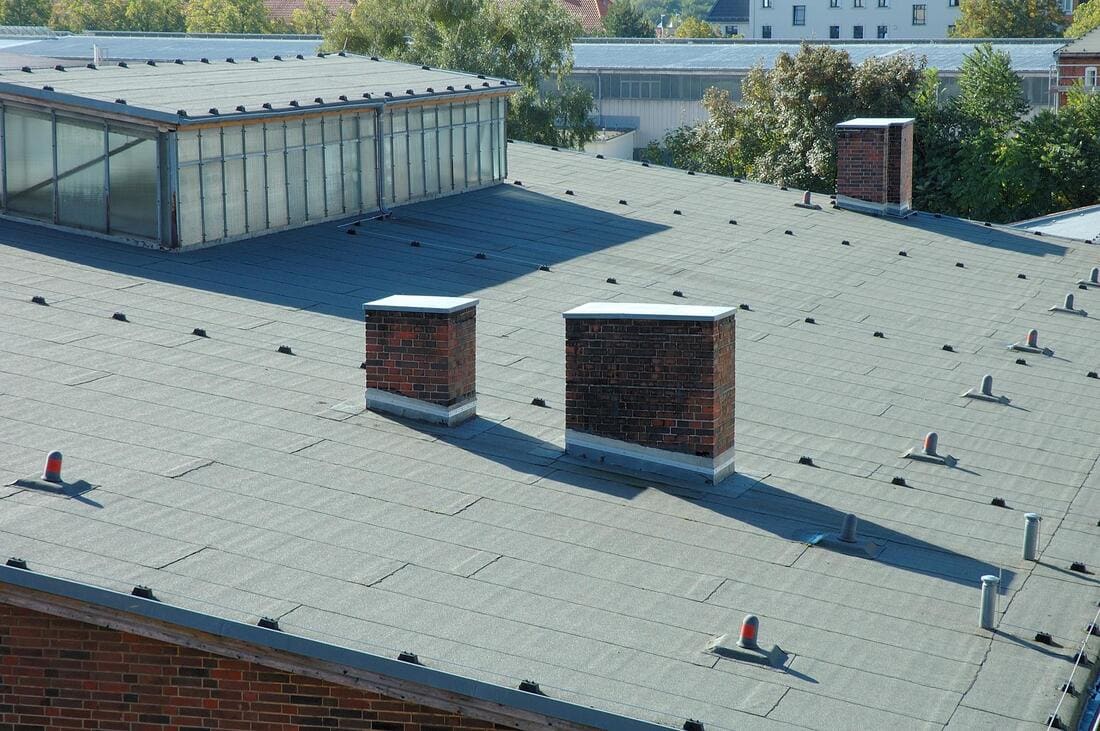
Emergency roof repair is for conditions likely to cause additional damage before a routine appointment: active interior water, open decking, loose tile above an occupied area, a damaged skylight, punctured foam, displaced shingles, or an opening at a patio or roof transition. A stain that has remained dry and unchanged may be scheduled as ordinary leak tracing. A growing drip, bulging drywall, or exposed roof needs faster triage.
The first objective in unsafe weather is controlled stabilization, not a hurried permanent patch. A tarp, cover, temporary seal, or secured material may slow water until the roof dries and the failed assembly can be opened correctly. The contractor should then separate the dry-in charge from tile reset, underlayment, flashing, foam, decking, or replacement work. Call (928) 543-6544 with the address, roof type, affected room, access notes, and whether someone is at the property.
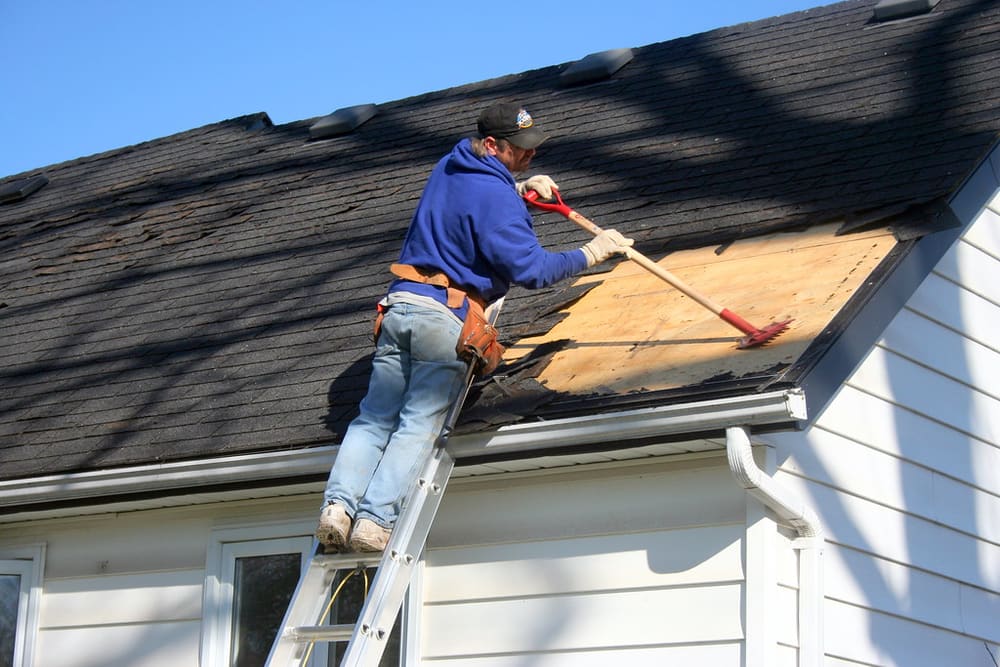
Move belongings away from the leak path and place containers where they will not create a trip hazard. Photograph the stain and nearby room from a safe position. Keep people away from sagging drywall and wet light fixtures, and shut off power to an affected area only when it can be done safely. Do not climb onto tile, foam, or any wet roof. Loose material and hidden soft decking make a storm-damaged surface less predictable than it appears from below.
Share the complete address, nearest cross streets when helpful, gate or lockbox instructions, roof type, room where water appears, and whether the home is occupied. Explain whether a tenant, property manager, neighbor, cleaner, or family member discovered the leak and who can authorize entry. Those facts determine whether interior access is possible and whether the request needs a roofer prepared for temporary protection rather than a routine estimate. For published planning amounts, see the Mesa cost guide.
A dry-in can involve tarping, covering an opening, applying a temporary compatible seal, diverting water, or securing loose material. It is temporary by design and may have limits based on wind, roof geometry, surface condition, and safe attachment points. Permanent repair can require tile reset, underlayment work, foam patching, rebuilt flashing, deck replacement, skylight details, or a larger roof decision after the affected area is opened.
The written follow-up should identify the protected roof plane, method used, limits of the temporary work, recommended inspection timing, and the permanent items still awaiting approval. Photos before and after stabilization help an absent owner see what changed. If permanent repair cannot occur immediately because coating needs a dry cure window or matching tile must be obtained, the contractor should explain that sequence instead of describing the dry-in as a completed repair.
Mesa has many winter-visitor homes and rentals where water is discovered by a neighbor, cleaner, tenant, or property manager. The first call should identify who can unlock the property, whether tenant notice is required, where water was seen, and who can approve temporary protection. Ask the local contact to photograph the full room as well as the stain so the owner and contractor can keep locations straight when several roof planes or additions are involved.
A vacant summer home can hold an unnoticed leak longer than an occupied property. Prearranged access and a clear approval limit make urgent stabilization easier when the owner is away. After the immediate problem is controlled, request labeled roof photos, an interior summary, and a permanent scope. If the condition shows broad material age rather than one storm opening, review the repair-or-replace guide before authorizing another isolated patch.
No. Dry-in is temporary weather protection. Permanent repair is scoped after the roof condition, materials, and hidden damage are understood.
Mesa planning ranges often run $350 to $950 depending on roof height, access, tarp size, damage, and weather. The contractor confirms the actual quote.
Yes, if access can be arranged. Provide a local contact, gate instructions, tenant information, and interior photos if available.
Only if you can do it safely and keep people away from electrical fixtures. When in doubt, contain water below and ask for guidance by phone.
Mesa Roof Pros
(928) 543-6544For active water, describe the room affected, roof type, access limits, and whether anyone is at the property now.