Can fascia repair be done with roof repair?
Often yes. Coordinating the roof edge and fascia in one scope can prevent repeated trips and missed water paths.
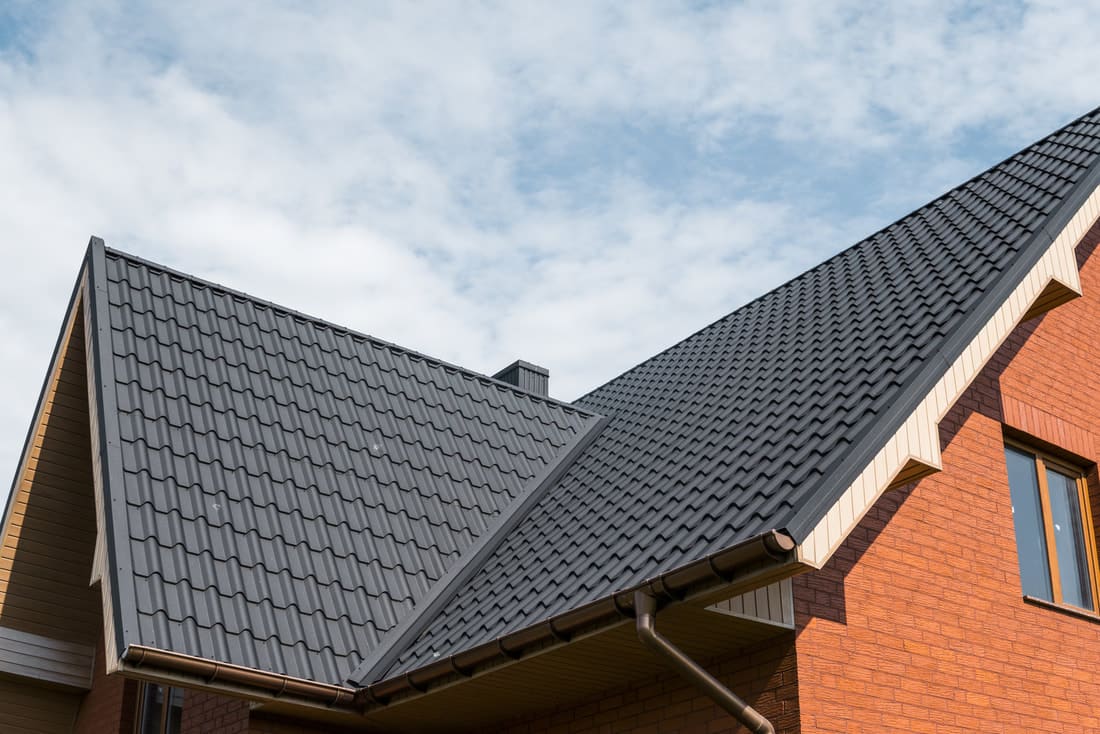
Mesa exterior repair often begins at the roof edge: fascia darkened by repeated runoff, a soffit gap below shifted material, trim opening at a patio cover, siding on an addition, a stucco-to-roof transition, or manufactured-home skirting loosened near a carport. These details can protect the wall assembly when water is directed correctly, but they can also conceal the route of a roof leak. The stain or loose panel should be treated as evidence, not automatically as the source.
Siding, fascia, and trim work should be diagnosed with the roof above it. If failed flashing or gutter drainage is sending water behind the edge, replacing the finish alone leaves the mechanism in place. If wind damages both roof material and fascia, the written scope should separate roofing, exterior, and drainage line items. That lets the owner see which trade restores weather protection and which work restores the visible surface.

Fascia can split, soften, pull loose, or stain when gutters overflow, tile edges move, flashing opens, or flat-roof runoff misses its intended path. Soffit joints can separate below the same condition and expose the enclosed edge to wind-driven rain. The inspection should probe suspicious material where appropriate, photograph the top edge, and determine whether damage is limited to trim or continues into backing, rafter tails, roof decking, or adjacent wall material.
A proper repair checks roof covering, edge metal, gutters where present, scuppers or valley discharge, and the wall transition. Painting stained fascia before controlling water is cosmetic work with a short horizon. The estimate should state what material will be removed, whether concealed damage changes price, how new fascia or soffit will be finished, and how the roof edge will be reassembled. If water has reached the room below, pair the visit with leak tracing.
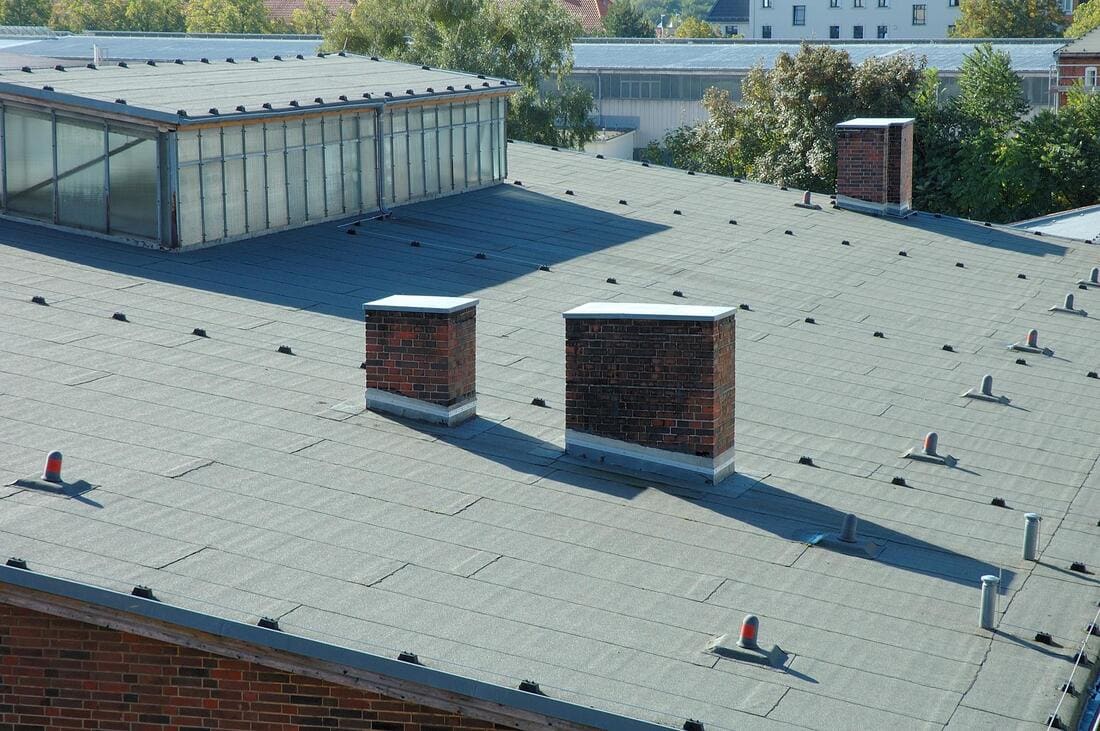
Some Mesa properties have roof additions, carports, enclosed patio rooms, or manufactured-home details that do not behave like one uniform roof. A low-slope cover can terminate against siding, a roof-over can change the original eave, and skirting or exterior panels may limit access below. The contractor needs those conditions during scheduling so the visit includes the relevant roof transition instead of treating a loose panel as a stand-alone repair.
The quote should explain what is roofing work, what is exterior trim or siding work, and whether substrate or framing must be opened before a firm repair is possible. Replacement or structural work may also require city, county, or HOA verification by the assigned contractor. No permit or HOA fee should be guessed in advance. For larger aging-roof questions, compare the edge scope with the Mesa replacement guide so new trim is not attached to material scheduled for removal.
Monsoon wind can loosen fascia, bend edge metal, crack brittle siding, or drive debris into exposed details. Wind-driven rain may then enter behind the loosened surface or reveal an older flashing weakness. Photos should show the full elevation, the roof plane above it, close damage details, and any interior water location. That context helps distinguish a panel or trim repair from a connected storm roof scope.
Insurance documentation may include observed damage, measurements, materials, and an itemized contractor scope. The insurer decides coverage. Do not accept deductible-paying, waiving, rebating, or absorbing offers, and do not rely on a promised claim outcome. Even when a claim is involved, the construction proposal should identify roof-edge preparation, matching limitations, disposal, cleanup, and change terms. A precise scope remains useful regardless of how the owner chooses to fund the work.
Often yes. Coordinating the roof edge and fascia in one scope can prevent repeated trips and missed water paths.
Only if the assigned contractor scopes it. Stucco-to-roof transitions should be inspected, but specialty stucco work may require separate handling.
Mention that during the call. Skirting, carport, and roof-over details can affect access, materials, and which repair path makes sense.
Usually the leak source should be understood first. Otherwise new trim may be damaged by the same water path.
Mesa Roof Pros
(928) 543-6544For exterior repair calls, describe whether the issue is fascia, soffit, siding, trim, stucco transition, or roof runoff.