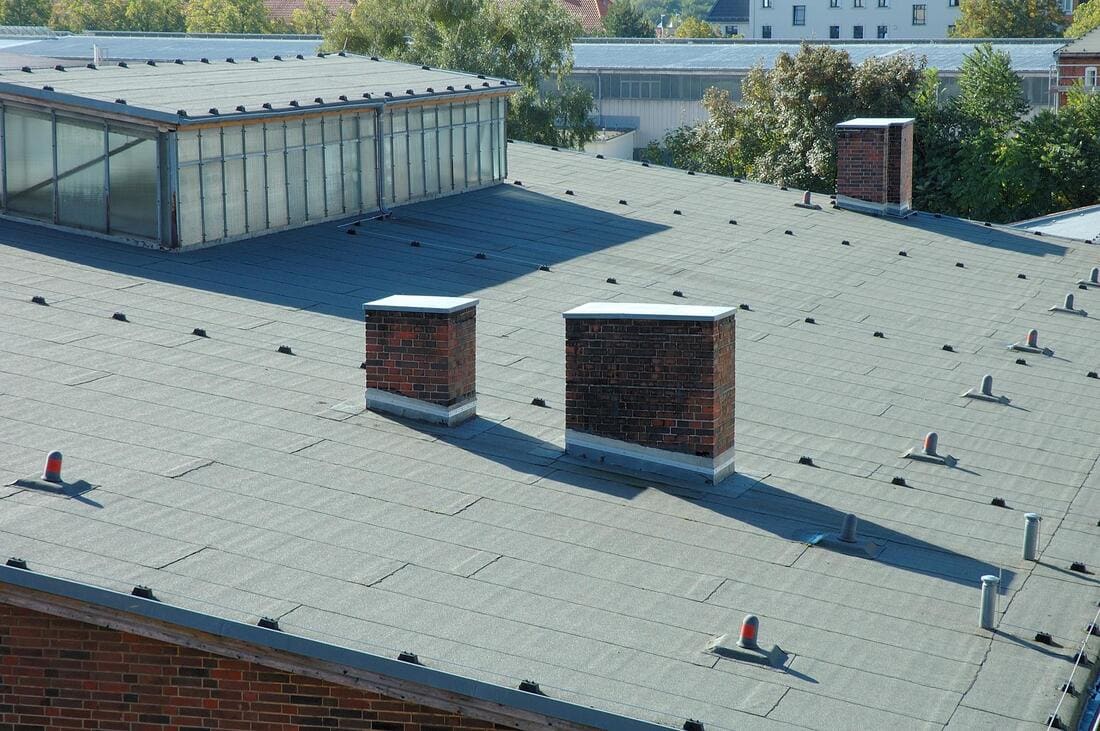
Should I call before filing a claim?
Many owners start with a roof check so they know what is actually visible. The contractor can document observed conditions, but your insurer decides coverage.
Mesa monsoon damage is not always a wide opening visible from the street. Wind can shift one tile course, lift brittle shingle edges, loosen ridge material, pull fascia away, or scatter dust and debris into a valley or scupper. Driven rain can then cross a tile lap, parapet, skylight edge, foam transition, or patio tie-in that stayed dry during lighter showers. An older roof may also reveal a long-running weak detail only when wind changes the direction of the rain.
The National Weather Service defines the Arizona monsoon window as June 15 through September 30, with activity usually strongest in July and August. A storm visit should focus on observed conditions: roof plane, affected material, likely water path, interior evidence, photos, measurements, and temporary protection when needed. It should also separate new movement from ordinary aging. For active entry, use emergency leak triage; permanent work can be scoped when weather and roof safety allow.
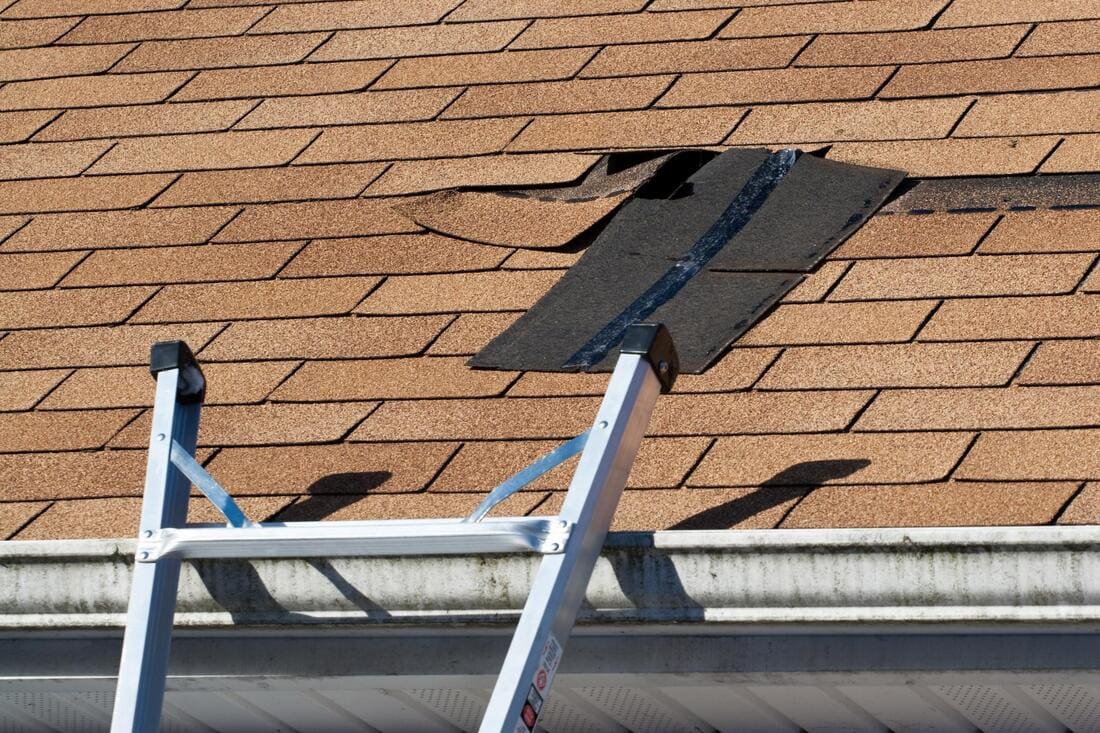
A useful check follows the weather path across shifted or cracked tile, exposed underlayment, lifted shingles, ridge and hip areas, flashing, skylights, vents, gutters, downspouts, scuppers, patio covers, fascia, and interior stains. Dust and debris patterns can show where drainage slowed or water backed up. Occasional hail may also mark roof material or soft metal without producing an immediate leak, so surface condition and the room below should be considered together.
Photos matter because meaningful movement can look small from the ground. Ask for a wide image locating the affected slope, close views of each defect, and interior documentation where water appeared. Owners away from Mesa need enough context to choose among a dry-in, focused leak repair, tile-underlayment work, or a broader estimate. The record should describe only what the contractor observed rather than assigning a storm date or cause that cannot be verified.
The contractor can document observed damage, take measurements, write an itemized repair or replacement scope, and meet an adjuster when useful. Coverage, depreciation, exclusions, and payment decisions remain with the insurer. Photos should distinguish broken or displaced material from maintenance wear so the homeowner can understand the construction scope even if no claim is filed. The Mesa cost guide remains a planning reference; the inspected storm scope sets the actual quote.
Do not accept a proposal built around paying, waiving, rebating, or absorbing an insurance deductible, and do not rely on a promised claim approval. A roof contract should stand on its materials, quantities, preparation, access, cleanup, change terms, and warranty language. When repair and replacement are both plausible, each option should state what damage it addresses and what aged material remains. That comparison is more useful than a sales conclusion tied to an uncertain insurance outcome.
Tile can be loose or fractured, foam can be slick, and lifted shingle edges can tear farther under foot traffic. Stay on the ground. Move belongings away from indoor drips, keep people clear of bulging drywall or wet electrical areas, save loose roof material found in the yard, and note which rooms showed water. Ground and interior photos can help triage the call without placing the homeowner on an unstable surface.
If water is still entering, the first visit may be temporary protection rather than final construction. The follow-up scope should identify what was stabilized, what remains open for investigation, and which permanent material is needed. Shifted tile may lead to a covered-layer inspection; punctured foam requires compatible repair and coating; damaged fascia may need roof-edge work. Each item should be priced after safe access reveals the actual condition.
Many owners start with a roof check so they know what is actually visible. The contractor can document observed conditions, but your insurer decides coverage.
A few shifted tiles can still expose underlayment or flashing. The inspection should check the surrounding area before deciding that a simple reset is enough.
Yes. Debris can block scuppers, trap water at valleys, damage coating, or direct water behind roof-edge details.
Timing depends on weather, access, roof safety, material needs, and area demand. Active water entry is triaged ahead of routine roof checks.
Mesa Roof Pros
(928) 543-6544After a Mesa monsoon, keep ground photos, note interior water locations, and avoid stepping on loose tile or slick foam.