Fountain Hills roof repair from the Mesa route begins with access because hillside drives, multi-level rooflines, and limited ladder positions can affect the inspection setup. The roof itself may combine pitched tile with foam or another coated low-slope section behind parapets. Wind-driven rain can exploit the transition between those systems and appear inside far from the opening. A complete request covers both physical access and the likely water path before a visit time or repair price is promised. It should also identify any wall, landscaping, or occupied area below the planned ladder position.
If the property is vacant, seasonal, or managed by someone else, provide the local contact, gate or driveway limits, roof height if known, and permission for interior entry. Send safe ground and ceiling photos when available. Call (928) 543-6544 with the affected room and whether water is active. The leak guide explains why the visible ceiling mark and the entry point may sit on different parts of a mixed roof. Agree in advance on how the contractor will report an unsafe access condition or a need for different equipment.
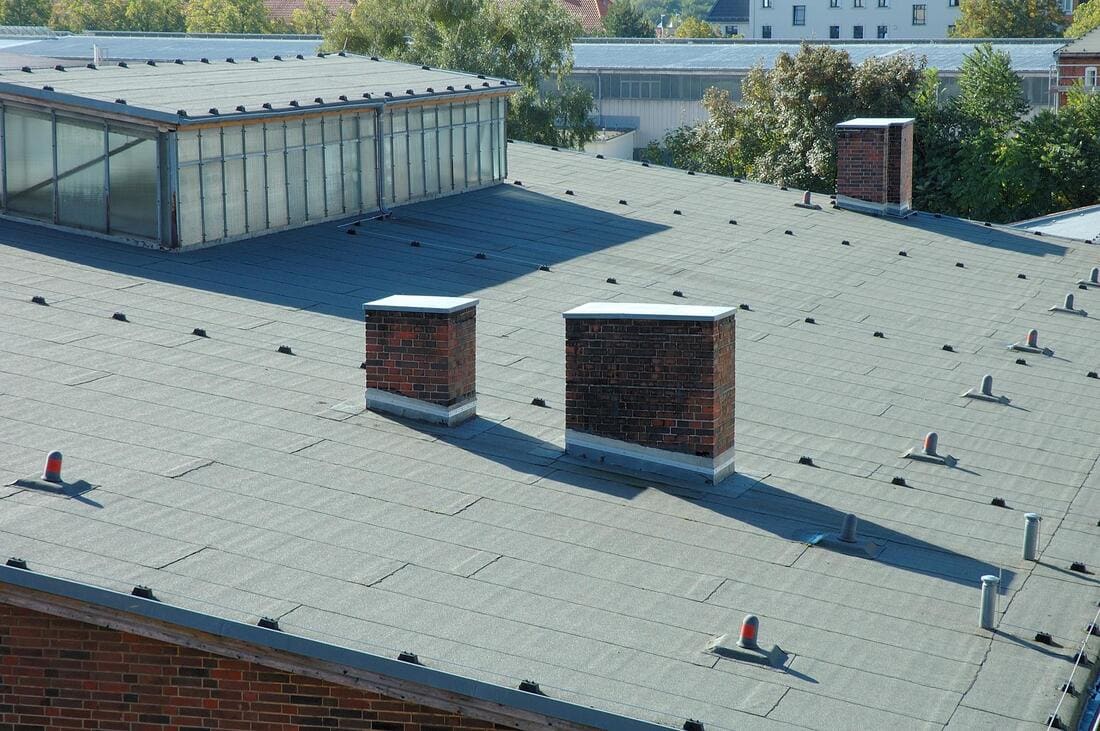
Access and safety affect the plan
Steep drives, walls, landscaping, roof height, and multi-level planes can limit where a ladder or material staging area can be placed. Those conditions affect inspection time and repair setup even when the failed detail is small. Describe them before dispatch so the contractor can decide whether additional access equipment is needed. Route timing should remain conditional on safe setup, weather, and current demand instead of being promised from an address alone.
Ground photos can identify material, height, parapets, and access constraints, while interior images can locate the symptom. They cannot show underlayment beneath tile, the bond of foam coating, or concealed deck condition. The written quote should therefore state what was inspected and any limitation that remains. Use the Mesa price guide for planning, then rely on the Fountain Hills inspection for the actual access assumptions and work amount.
Tile, foam, and wind-driven rain
Pitched tile sheds water differently from a foam or coated low-slope field. Where the systems meet, flashing, slope, coating, and drainage must work together. Wind-driven rain can cross those joints near parapets, scuppers, skylights, wall transitions, and patio tie-ins. A chalky or cracked coating also raises a different maintenance question from slipped tile. The foam guide explains patch, recoat, wet-area restoration, and replacement-level conditions.
The repair scope should identify which system admitted water, how the materials will be tied together, and whether drainage correction must precede coating. Tile work should address underlayment and handling; foam work should address preparation, dry boundaries, compatible materials, and cure timing. Review the tile guide when the covered layer is part of the diagnosis. Owners away from the property should request overview, detail, and completion photos labeled by roof plane.
Mesa Roof Pros
(928) 543-6544For Fountain Hills, share driveway, gate, roof height, and local-contact information before scheduling.